

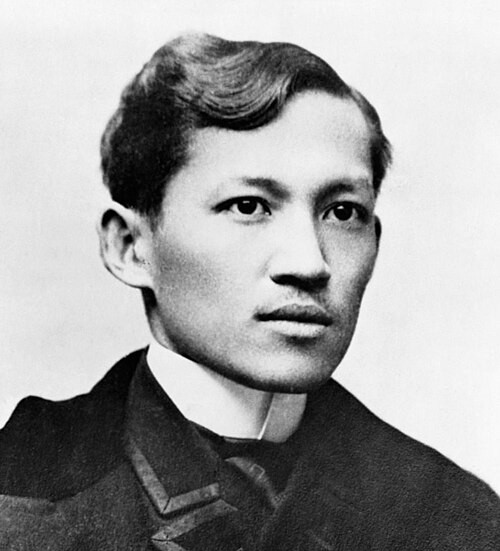

Statement | Migrante Canada | June 19, 2026
Jose Rizal @165: the Filipino Diaspora and the Unfinished Struggle
On June 19, Filipinos around the world mark the 165th birth anniversary of Dr. José Rizal, one of the most influential figures in the continuing Filipino people’s struggle for national dignity, freedom, and self-determination.
As overseas Filipinos, migrant workers, international students, and members of the diaspora, we remember Rizal not only as a national hero, but also as a kababayan who went abroad to Spain and other places in the world to study, work, and organize while remaining deeply committed to the welfare of his people and the future of his homeland under colonial Spain.
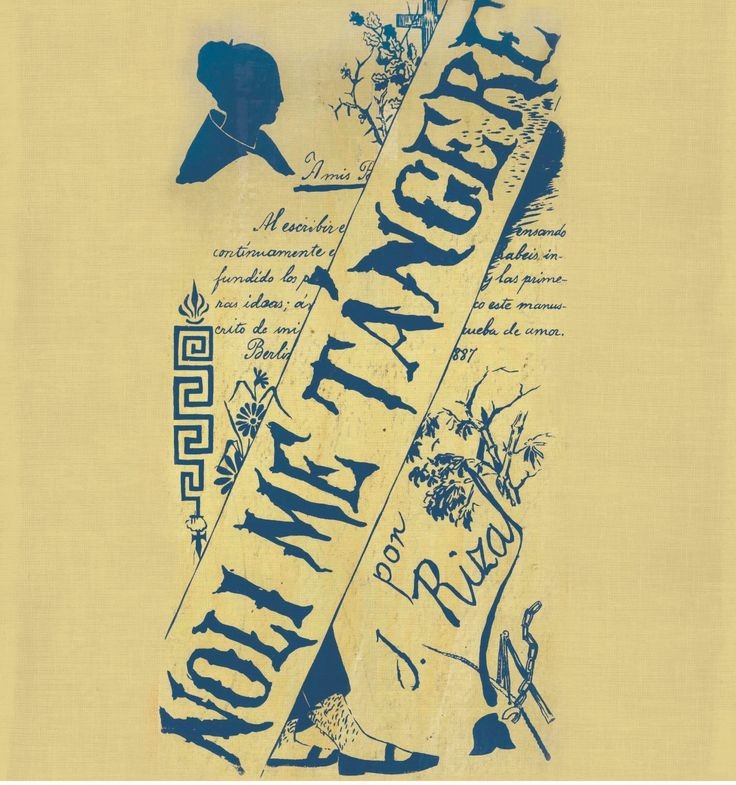
Rizal dreamt of a homeland where its people could live with dignity and equality, participate meaningfully in public life, and contribute to the building of a just and humane society. Through his writings, especially his two novels Noli Me Tangere (1887) and El Filibusterismo (1891), Rizal exposed the abuses and oppression of the Spanish friars, the Spanish officials, the Guardia Civil, and their local lackeys. His novels, which were immediately banned in the Philippines, explored not only the possibility of reforms in Philippine society but also the possibility of revolution.
Rizal’s experiences at home and abroad deepened his patriotic sentiments and his understanding of the conditions facing the people under colonial rule. The execution of the three priests Burgos, Gomez and Zamora, the arrest of his mother on false charges, the Calamba agrarian dispute and evictions that involved the Rizal family, the stories of exploitation and oppression of Filipinos under the Spanish colonial yoke shaped and sharpened Rizal’s political consciousness.
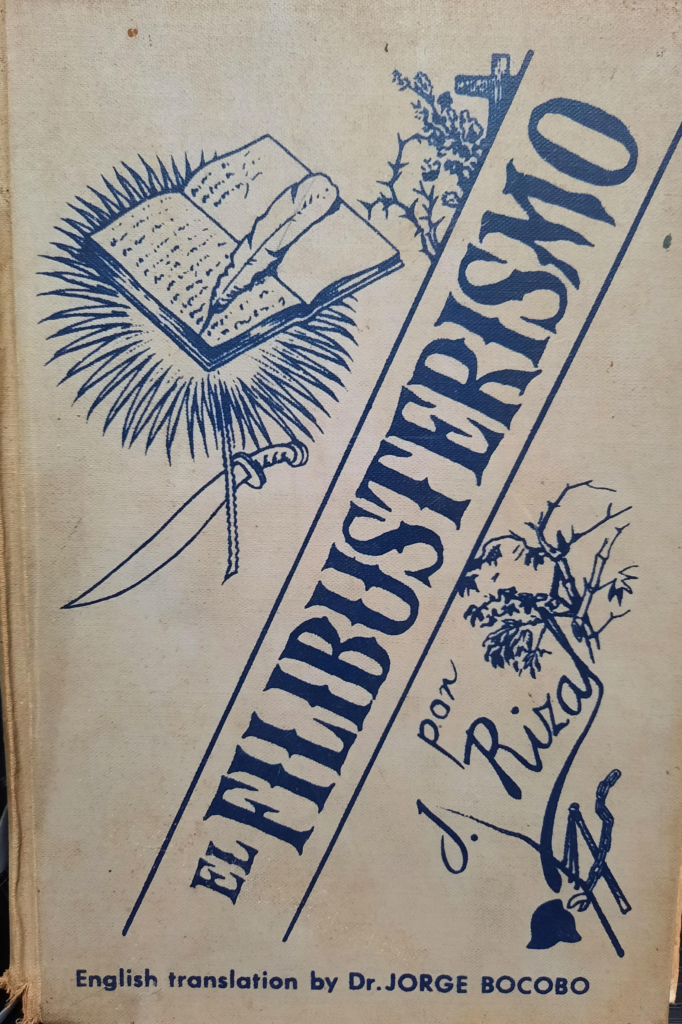
Rizal’s anti-clerical and anti-colonial writings drew the ire of the Spanish colonial regime. He was called a filibuster, very much in the same way that critics and activists of today are red-tagged, maligned and vilified as terrorists, subversives, communists.
Like many Filipinos today who live, work, study and migrate abroad, Rizal also lived, studied, and worked in Spain and in many other countries. Rizal joined other Filipino liberals and exiles to found the Propaganda Movement in Spain; they created the organization La Solidaridad (1872) which pushed for reform in the colony. It had a newspaper called by the same name La Solidaridad (1889-1895), the organ of the Reform Movement of which Rizal was one of the chief propagandists. Rizal and the other members of the (First) Propaganda Movement fought the Spanish colonial regime with its newspaper, manifestos, essays, poems, works of art, and novels.
Rizal went back to the Philippines in 1892 at great risk, and in today’s parlance, a wanted man. He hoped to continue what had started in Spain and he established the very short-lived organization called La Liga Filipina which called for social reforms. Four days later, on July 6, 1892, the Spanish colonial authorities arrested Rizal and exiled him to Dapitan.
On August 23, 1896, the Cry of Pugadlawin signalled the start of armed warfare against Spain led by the secret society of the Katipunan which was founded by Andres Bonifacio with other Filipino nationalists in 1892. The Katipunan called for independence and separation from Spain, the confiscation of friar lands, protection and promotion of civil liberties, and the end of theocratic rule. The sparks from more than 200 revolts against Spain since 1521 converged in the fire of the Philippine Revolution of 1896, the first war of national liberation in Asia.
On December 30, 1896, Rizal was led to his execution at Bagumbayan. He was 35 years old.
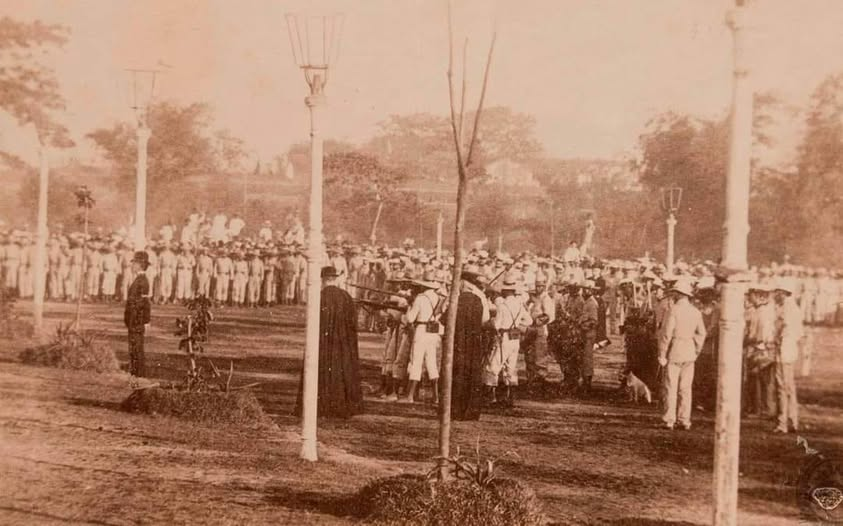
Rizal, a progressive and radical of his own time, is remembered and still relevant after more than a hundred years, not simply because of what he wrote, or the questions he posed about the condition of our nation and the future of our people, but also because of his great love for the Philippines and his people.
For overseas Filipinos, Rizal’s life offers this important lesson: Filipinos abroad, estimated at 10-12 million, are not merely observers of what is happening back home. We are participants in it. Continue the unfinished Revolution of 1896. Advance and support the movement for national democracy.
Just as Rizal and other members of the First Propaganda Movement used their talents, skills, and their international networks to advance the Reform Movement, today’s diaspora, especially the youth, carries the important role in pushing the Second Propaganda Movement to defend migrant rights, support democratic struggles, strengthen our communities, and advance the movement for national democracy.
Prof. Jose Maria Sison in his essay “Rizal the Social Critic” wrote: “The situation of Spanish colonialism then parallels that of US imperialism today, over-extended and unable to cope with the advance of the world socialist revolution and the more vigorous national independence movements of the peoples of Asia, Africa and Latin America.”
In Canada and around the world, Filipino migrants continue to confront exploitation, precarious work, racism, anti-immigrant policies, family separation, and uncertainty. For many migrant workers, migration is no longer a personal choice, not when 8,000 Filipino men and women are forced to leave the country every day to work abroad. The harsh economic and political conditions, dependence on foreign interests, a backward economy and the government’s labour export policy continue to deny Filipinos the opportunities to live and work with dignity in their own country.
More than better consular services or emergency assistance for migrant Filipinos abroad, the best protection is the creation of conditions where Filipinos can choose to stay, work, raise families, and build their futures in the Philippines with dignity and security
Yes, the Revolution of 1896 was not finished. The lack and absence of genuine development with national industrialization and genuine agrarian reform for the people remain unfulfilled.
On Rizal’s birth anniversary, we honour not only his life and contributions but also the continuing struggles of Filipino people, including that of overseas Filipinos and migrant workers. The greatest tribute we can give is to continue the work he began: to challenge injustice, defend the dignity of our people, and help build a Philippines where freedom is meaningful, sovereignty is genuine, and no one is forced to go abroad by poverty and lack of opportunity, and continue the unfinished struggle for national freedom, democracy, social justice, and genuine development.
Mabuhay si Dr. José Rizal!
Mabuhay ang mga manggagawang migrante at kanilang mga pamilya!
Mabuhay ang sambayanang Pilipino!###