


by International Coalition for Human Rights in the Philippines-Canada |May 21, 2026
VANCOUVER, BC — Danilo “Ka Daning” Ramos, Chairperson of the Kilusang Magbubukid ng Pilipinas (KMP / Peasant Movement of the Philippines), called attention to worsening human rights conditions facing Filipino peasants and grassroots organizers during a press conference held on May 20 at Simon Fraser University Harbour Centre.
Hosted by ICHRP BC/Canada and BAYAN BC, in partnership with the Institute for the Humanities at Simon Fraser University, the media briefing formed part of Ramos’ Canada speaking tour, where he is meeting with parliamentarians, human rights advocates, and solidarity organizations to raise awareness of issues affecting rural communities in the Philippines.
Welcoming remarks were delivered by Irwin Oostindie, media artist, curator, researcher, and Director of Voor Urban Labs, who welcomed Ramos and emphasized the role of universities, media, and cultural institutions in advancing truth-telling and solidarity through critical engagement and research.
Addressing media representatives and online viewers through live-streaming, Ramos raised urgent concerns regarding the worsening human rights situation faced by peasants, activists and rural communities in the Philippines, including alleged violations of international humanitarian law, political repression, militarization in the countryside, and increasing threats against human rights defenders and independent observers.
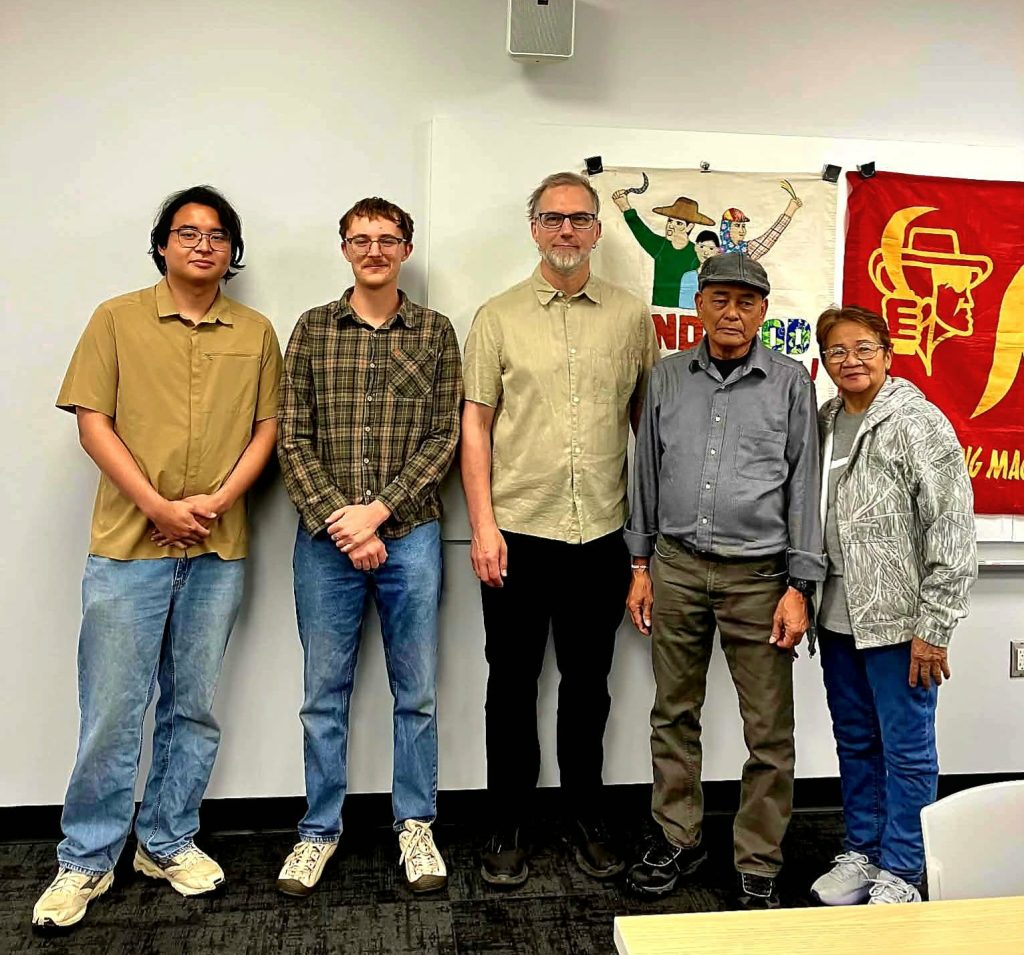
Ramos emphasized the growing climate of intimidation faced by activists, journalists, students, faith leaders, and solidarity advocates, citing cases of surveillance, harassment, restrictions on international exposure and solidarity missions, and the barring of international observers from entering the Philippines. He also referenced ongoing concerns regarding attacks against human rights defenders and peasant organizers, including incidents documented in Negros and other rural regions.
A key focus of Ramos’ remarks was the role of the Canadian government, urging officials to critically review Canada’s involvement in military and development agreements with the Philippines. He raised concerns over Canadian aid and military cooperation potentially contributing to counterinsurgency efforts and militarization affecting civilian communities. Ramos called on Canada to halt further military agreements and review existing arrangements, including discussions related to the Status of Visiting Forces Agreement (SoVFA) and support for joint military exercises, emphasizing the need for Canadian foreign policy to prioritize human rights, peace, and accountability.
“We call on the Canadian government and the international community to stand with Filipino peasants and human rights defenders,” said Ramos. “Solidarity means ensuring that international relations and aid do not contribute to repression, but instead uphold justice, peace, and the dignity of our people.”
Joining Ramos at the press conference was Devon Tremain, representing ICHRP BC, who discussed the importance of international investigations and independent reporting in documenting conditions on the ground. Tremain is also the author of an e-petition submitted to the House of Commons, sponsored by MP Jenny Kwan, concerning militarization and human rights conditions in the Philippines.
“Independent investigations and fact-finding missions are critical in cutting through competing narratives and uncovering the realities experienced by communities on the ground,” said Tremain. “The reports that emerge from these efforts can go a long way in building meaningful solidarity and accountability.”
Noa Sison of BAYAN BC spoke on the role of the Filipino diaspora and the interconnected realities of migration, labour, and socio-economic displacement.
“Many Filipinos leave not because they want to, but because structural inequalities and lack of opportunities push them abroad,” said Sison. “Solidarity means understanding the root causes of migration and standing with communities struggling for justice.”
During the moderated discussion, Irwin Oostindie posed questions regarding the role of universities and academic institutions in understanding peasant struggles in the Philippines. Ramos highlighted the importance of social and scientific research grounded in the realities of farming communities, emphasizing the need for universities and faculty to engage with what is happening on the ground and contribute evidence-based solutions.
“Youth are the seeds of hope in our society,” Ramos said, calling on universities to stand with farmers and help amplify marginalized voices through research, education, and public engagement.
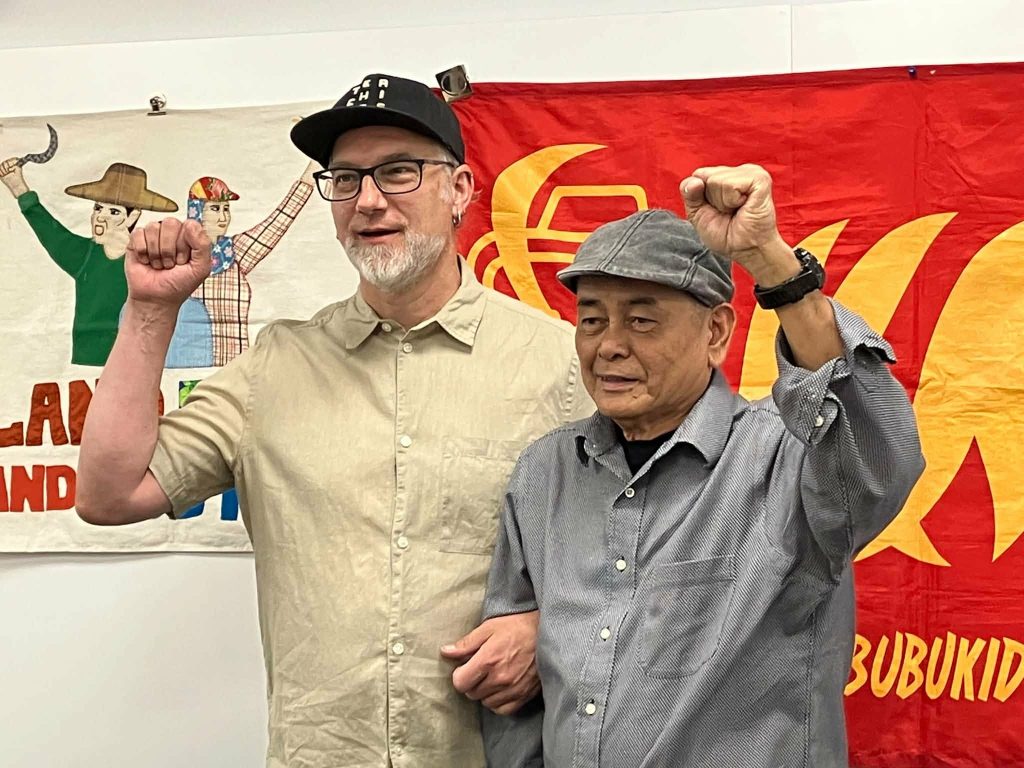
Organizers stated that the press conference aimed to provide media with direct insight into the realities facing Filipino peasants and to encourage continued public attention to issues of human rights, militarization, migration, and international accountability. ###
For reference:
Beth Dollaga, ICHRP BC/Canada
[email protected] | [email protected]